|
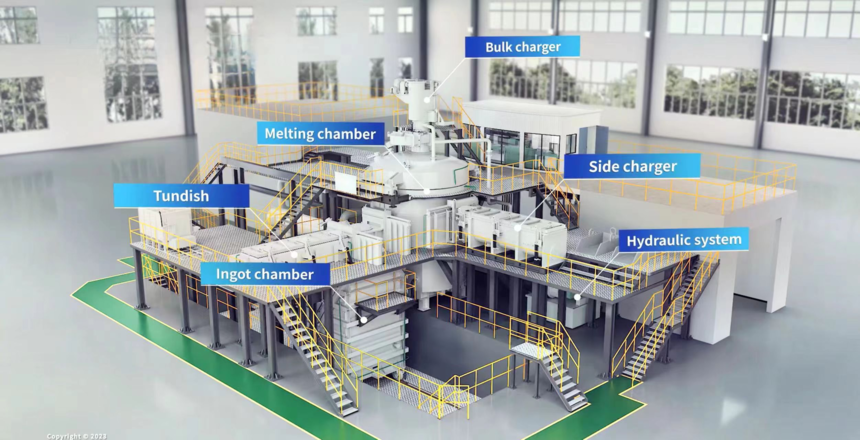
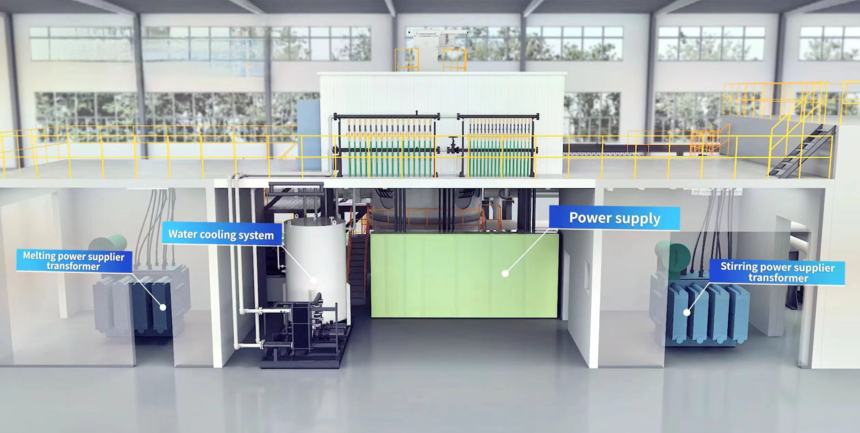
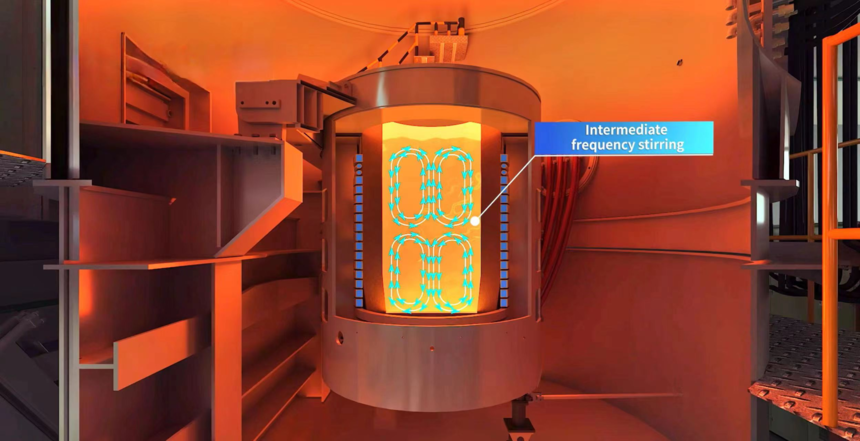
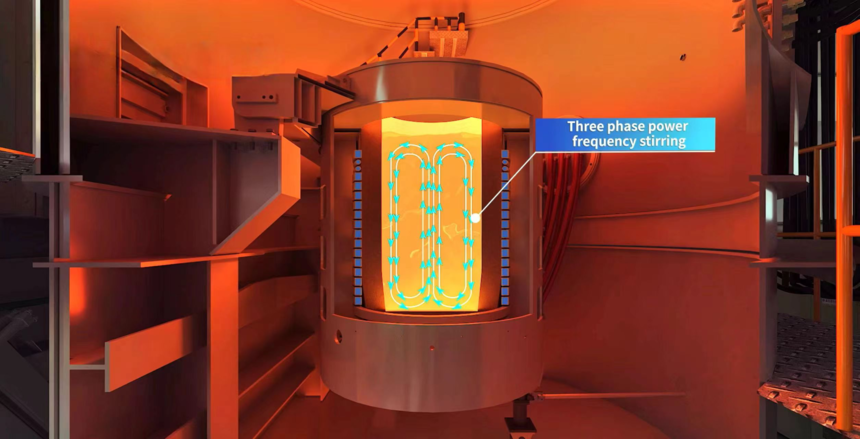
Vacuum Induction Melting FurnaceEnclosed Steel Shell Furnace Design: Ensures safer and more reliable operation during closed operation. Dual Molten Steel Leakage Alarm: Greatly reduces the risk of molten steel leakage. Quick-Change Induction Furnace Body: Shortens furnace downtime and boosts production efficiency. High-Efficiency MF Induction Melting Power Supply: Optional stirring power (three-phase power-frequency stirring / UDS stirring) for more uniform composition and thorough degassing. Multi-Chamber Structure: Mainly includes melting chamber, ingot mold chamber, top charging chamber, side charging chamber and launder chamber; customized design available upon customer request. Two Optional Charging Systems: Enables faster charging under vacuum and adapts to raw materials of different shapes and sizes. Ingot Mold Chamber: Available in mold car or mold tray structure, both capable of multi-mold pouring. Vacuum System with New Oil-Immersed Wet Pool Filter: Effectively absorbs dust to protect the low-vacuum pump unit and significantly reduces the risk of dust spontaneous combustion during vacuum breaking. Advanced PLC Control System (Host & Slave): Ensures automated production, data traceability and reproducible melting processes. HD Camera System: Enables remote monitoring and operation of the vacuum induction furnace to ensure safety.

Collect
Melting and Preparation of Special Alloys This category includes high-temperature alloys (such as nickel-based and cobalt-based superalloys, used for key components like aero-engine turbine blades and combustion chambers), precision alloys (such as soft magnetic alloys, permanent magnetic alloys, elastic alloys, and expansion alloys, used for electronic components, sensors, and precision instruments), and corrosion-resistant alloys (such as Hastelloy and Monel alloys, used for corrosion-resistant equipment in chemical and marine engineering). Melting of Rare and Reactive Metals For chemically active rare metals and their alloys, a vacuum environment effectively isolates air, preventing these metals from reacting with oxygen and nitrogen, thus producing high-purity, performance-stable ingots. Recycling of Alloy Scrap For high-value alloy scraps (such as high-temperature alloy and precision alloy scraps), vacuum induction melting enables remelting and composition adjustment, regenerating them into qualified alloy materials and realizing efficient resource recycling.
Customized Products Available |